Facts about Western Australia’s native forests
Forest types and areas in WA
There are about 2,500,000 ha of native forests in Western Australia. This is made up of:
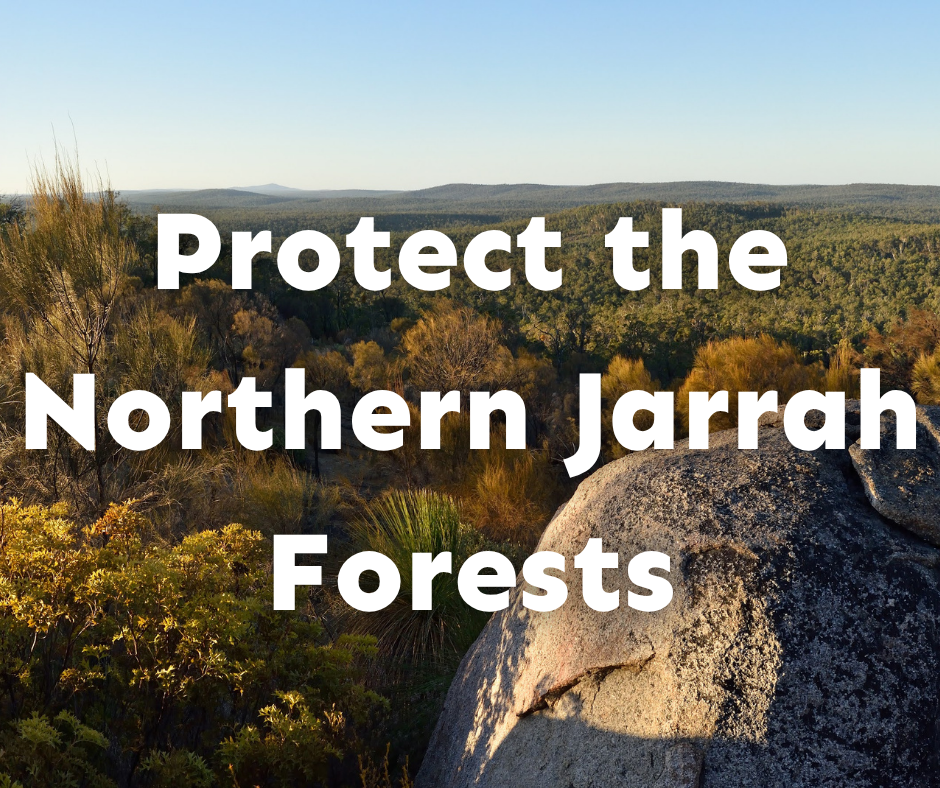
2,100,000 ha of jarrah and jarrah/marri forests
219,000 ha of wandoo forests
201,000 ha of karri and karri/marri forests
37,500 ha of tingle forests (included with jarrah and karri)
22,000 ha of tuart forests
Jarrah and jarrah/marri forests
According to the Department of Conservation and Land Management (CALM), at the time of European settlement in WA, there Read more [...]
Category: News
Scientific report confirms conservationists’ fears
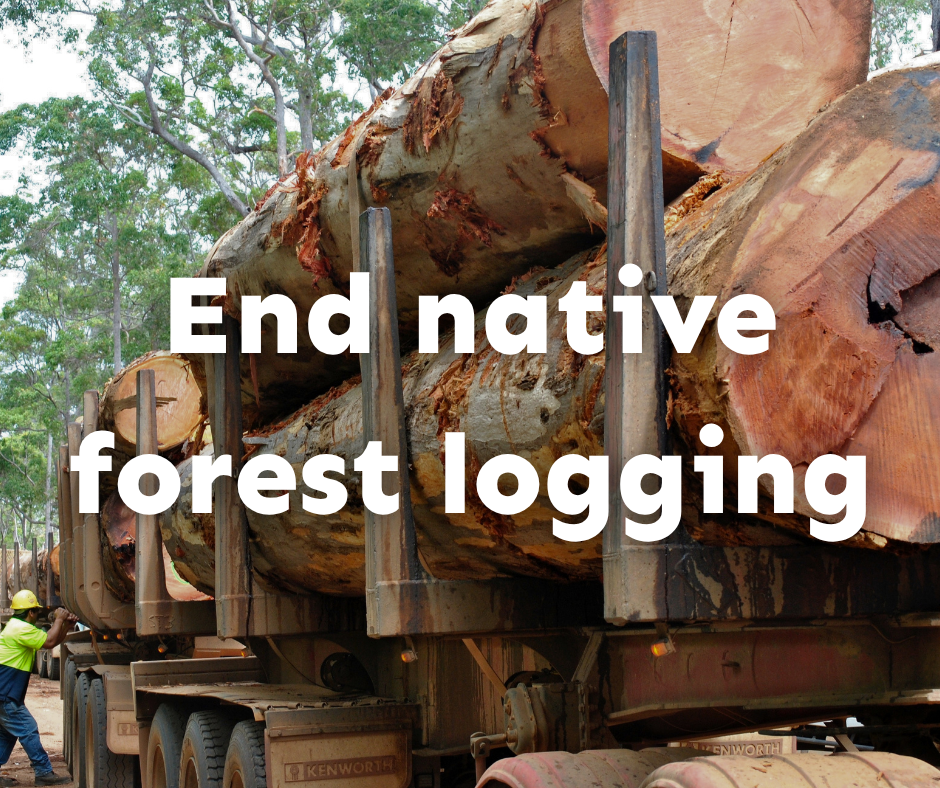
An official report written by a panel of scientists to advise CALM on the impacts of its logging operations has found that an entire study population of endangered Western Ringtail Possums died following a logging operation near Bridgetown.
The report, dated October 2001 but only recently released to the public, said that 29 Western Ringtail Possums were radio-collared prior to the logging operation in Kingston forest. Within three weeks of the completion of logging, 12 of the possums had died, Read more [...]
Category: News
Endangered Species and Our Old Growth Forests
Premier Geoff Gallop's Labor government was elected to power in Western Australia two years ago on a strong platform of protecting WA's forests.
While some of the detail of Premier Gallop's forest election promises was outlined at election time, a document has been prepared to outline exactly what forests will be saved, which will be logged, and the sustainability of any logging operations.
Many forest species now fit into one or more of the following categories:
extinct throughout the Read more [...]
Category: News
Worldwide boycott of jarrah!
The unique jarrah forests of WA have been over-logged for more than a century. Community efforts to conserve the jarrah forest ecosystem and protect the hundreds of species that make up the jarrah forest have repeatedly been overruled, or undermined, by State governments acting on behalf of the logging and mining industries.
Now in the 21st century, despite significant gains that have been made, logging industry pressure is again leading to a seriously flawed and unsustainable outcome for the Read more [...]
Category: News
Forest Management Plan 2004-2013: the good, the bad and the ugly
The Forest Management Plan 2004-2013 was released in December 2003 and came into force on 1 January 2004. It has chapters on biological diversity; productive capacity; ecosystem health and vitality; soil and water; global carbon cycles; natural and cultural heritage; socio-economic benefits and plan implementation. Unlike previous FMPs, under each heading objectives, actions and, where relevant, key performance indicators are set out.
There are 14 appendices that cover many issues including reserve Read more [...]
Category: News